 Trusted Since 2001





Quick Summary
Key points
- A one sided deadbolt, also called a single sided deadbolt or door bolt, has a thumbturn on the inside and no key cylinder on the outside. It can only be locked and unlocked from inside the room.
- With no keyway outside, there is nothing to pick or force a key into from the outside. That is its main strength.
- Its main limit is just as simple: you cannot lock it when you leave. It suits doors that are locked from inside, or rooms with another way out.
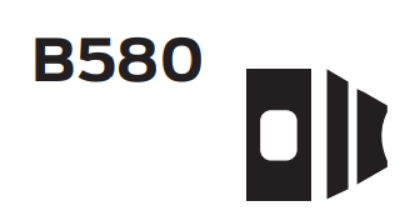
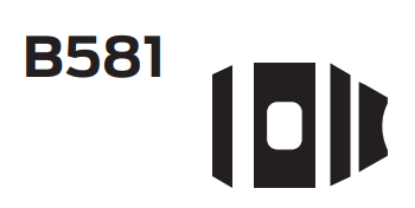
- In the Schlage commercial range, the B580 door bolt is the one sided version, with a blank outside, and the B581 adds trim on the outside face.
- Before ordering, confirm the door thickness, backset, whether you want a blank or trim outside, and the finish, and check that an extra lock suits the door's exit requirements.
| Deadbolt type | Outside | Inside | Typical use |
|---|---|---|---|
| One sided | Nothing, or a blank trim plate | Thumbturn | Doors locked only from inside |
| Single cylinder | Key cylinder | Thumbturn | Most entry and office doors |
| Double cylinder | Key cylinder | Key cylinder | Doors with glass near the lock, where permitted |
In This Guide
- What Is a One Sided Deadbolt?
- How Does a Thumbturn Only Deadbolt Work?
- How Is It Different From Single and Double Cylinder Deadbolts?
- Where Should You Use a One Sided Deadbolt?
- Are One Sided Deadbolts Secure?
- What Door Prep and Parts Does a Door Bolt Need?
- How Do You Install a Single Sided Deadbolt?
- What Should You Confirm Before Ordering a Door Bolt?
- About the Author
Some doors never need to be unlocked from outside. A back door that staff lock at closing time, a connecting door between two tenant spaces, a door to a storage area reached from inside: for these, a key cylinder on the outside is one more thing to pick, lose keys for or vandalize.
That is where a door bolt fits. This guide explains how it works, where it suits commercial doors and where it does not, how it compares with single and double cylinder deadbolts, and which parts to confirm before ordering.
What Is a One Sided Deadbolt?
A one sided deadbolt is a deadbolt operated only from one side of the door, by a thumbturn on the inside. The outside has no key cylinder, just a blank surface or a plain trim plate. Turning the thumbturn throws or retracts the bolt.
In commercial hardware the same product is often called a door bolt. The Schlage B580 door bolt is a good example: its parts list includes the deadbolt, a rose and turn, a mounting plate for the rose and turn, a blank mounting plate for one side and a keyless screw pack. There is no cylinder anywhere in it.
Is it the same as a single sided deadbolt?
Yes. One sided deadbolt, single sided deadbolt, one sided deadbolt lock and keyless deadbolt are all used for the same thing. Do not confuse it with a single cylinder deadbolt, which does have a key cylinder on the outside.
How Does a Thumbturn Only Deadbolt Work?
The thumbturn on the inside connects to the bolt through a tailpiece. A quarter turn throws the bolt into the strike in the frame, and the reverse turn withdraws it. On the outside, a blank plate or trim covers the bore so there is nothing to grip or turn. Our guide to commercial door handles explains levers, knobs and pulls in more detail.
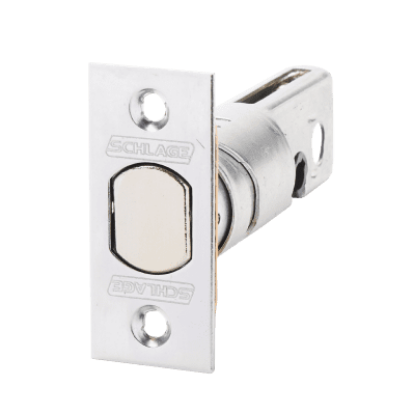
Because there is no cylinder, there is no keyway to pick, no cylinder to drill or pull, and no keys to issue or lose. The bolt itself is the same kind of bolt used in keyed deadbolts. In the Schlage B580, the deadbolt has a 2-1/4 by 1 inch square corner faceplate and an adjustable 2-3/8 or 2-3/4 inch backset.
What is on the inside of the door?
A rose and thumbturn. In the B580, that is the Schlage B302-041 rose and turn, held by a separate mounting plate. If the thumbturn is loose or the rose has cracked, these are the parts to replace, not the whole deadbolt.
How Is It Different From Single and Double Cylinder Deadbolts?
The difference is what is on each side of the door.
- One sided: thumbturn inside, nothing outside. Only operable from inside.
- Single cylinder: key outside, thumbturn inside. Lockable from both sides. The Schlage B660 is an example.
- Double cylinder: key on both sides. Restricted on many doors because it can block exit. Our double cylinder deadbolt guide explains where.
If the people who use the door also need to lock it behind them from outside, a door bolt is the wrong choice and a single cylinder deadbolt is the right one. If nobody ever needs to unlock it from outside, the one sided version removes a vulnerability.
Where Should You Use a One Sided Deadbolt?
Use it on doors that are always locked from inside, or that lead to a space with another way in.
- Back of house and service doors that staff bolt from inside at closing time and leave by another door.
- Connecting doors between two suites or tenant spaces, where each side controls its own bolt.
- Doors to storage or utility areas that are only ever reached from inside the building.
- Extra security on doors that already have a keyed lock, where the bolt is thrown only when the building is closed.
Where should you not use one?
Avoid it on any door someone must lock behind them when they leave, because they cannot. Be careful on doors that form part of a required exit route. Codes generally limit the number of separate actions needed to open an exit door, so adding a second lock can be a problem there. Check with the authority having jurisdiction before adding a bolt to an exit door, and on a labeled fire door make sure any added hardware is permitted by the door's label.
Are One Sided Deadbolts Secure?
Against attack from outside, they remove the most common weak point: the cylinder. There is nothing to pick, bump or pull. Security then depends on the bolt throw, the strike and the frame, the same as any deadbolt.
Their weakness is operational rather than mechanical. The door is only secure when someone inside has thrown the bolt. If the last person out cannot reach it, the bolt does nothing. For that reason, these bolts work best alongside a keyed lock or on doors that are always secured from inside.
| Strength | Limit |
|---|---|
| No keyway to pick or force from outside | Cannot be locked from outside |
| No keys to issue, track or lose | Only secure when someone inside throws the bolt |
| Simple, with few parts to fail | May not suit doors on a required exit route |
| Clean outside face with blank or trim plate | Needs a strike and frame strong enough for the bolt |
What Door Prep and Parts Does a Door Bolt Need?
A door bolt uses the same door prep as a standard deadbolt: a cross bore through the door face, an edge bore for the bolt, and a strike in the frame. The B580 keyless screw pack, for example, covers doors from 1-3/8 to 2-1/4 inches thick, and the parts list includes a flat square corner strike with a metal dust box.
If you are replacing an existing deadbolt, confirm the backset and door thickness, then check whether the existing strike lines up with the bolt. A bolt that has to be forced into the strike is usually a strike alignment problem. Our strike plate guide covers alignment.
If you are converting a keyed deadbolt to a one sided version, the bolt and strike can often stay, while the outside cylinder is replaced by a blank plate and the inside gets a thumbturn. Confirm the exact series first.
How Do You Install a Single Sided Deadbolt?
On a door already prepared for a deadbolt, the job is short. On a new door, the prep comes first.
- Check the door. Confirm the thickness and that any existing bore and edge prep suit the bolt. Measure the backset from the door edge to the center of the bore.
- Set the backset. On adjustable bolts such as the one used in the Schlage B580, set the bolt to 2-3/8 or 2-3/4 inches to match the door.
- Fit the bolt. Slide the bolt into the edge bore and fix the faceplate.
- Mount the inside and outside. Fit the thumbturn and rose on the inside with its mounting plate, and the blank plate or trim on the outside, using the screws for your door thickness.
- Fit and check the strike. Install the strike and dust box in the frame, then throw the bolt several times with the door closed. It should move freely to full throw.
Can you add one to a door that already has a lock?
Often, yes. A thumbturn only bolt above an existing latch is a common way to add a night time bolt to a back door. Check the spacing from the existing lock, the stile width on narrow doors, and any exit or fire door rules before drilling.
How do you open a one sided deadbolt from outside?
You cannot, by design. There is no keyway outside, so once the bolt is thrown, the door can only be opened from inside. Make sure the room always has another way in, or that the last person out leaves by a different door.
What Should You Confirm Before Ordering a Door Bolt?
Five details settle the order: the door thickness, the backset, whether you want a blank outside or a trim plate, the finish code, and the series of any existing deadbolt you are matching. For the inside, confirm the thumbturn and rose style if you are replacing only those parts.
Browse deadbolt parts or the Schlage B Series for bolts, roses, turns and screw packs. Our Schlage B Series deadbolt guide explains the wider range, and our thumbturn cylinder guide covers thumbturns used on mortise and rim cylinders.
About the Author
Security Parts has supplied repair parts for commercial door hardware since 2001, covering Von Duprin, LCN, Schlage, Falcon, Detex and Adams Rite at the component level. Our diagram based lookup exists so a technician can confirm a part before ordering it. This guide was written by the Security Parts team from supplier documentation and the questions our customers bring us.
If you are not sure whether a door bolt suits a particular door, contact us with a photograph of both sides of the door and the edge, and we will help you choose.